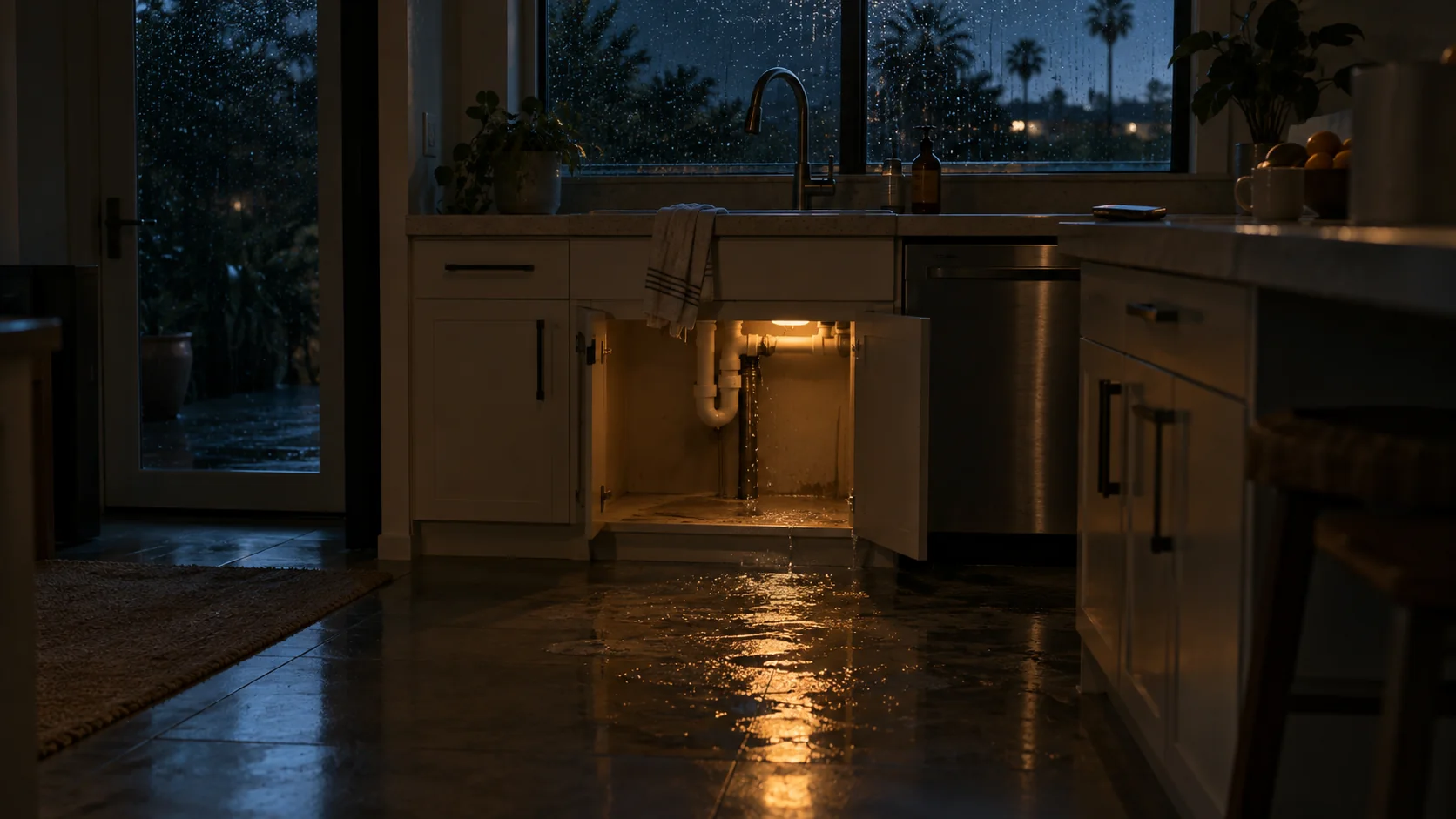
What is a sewer backup?
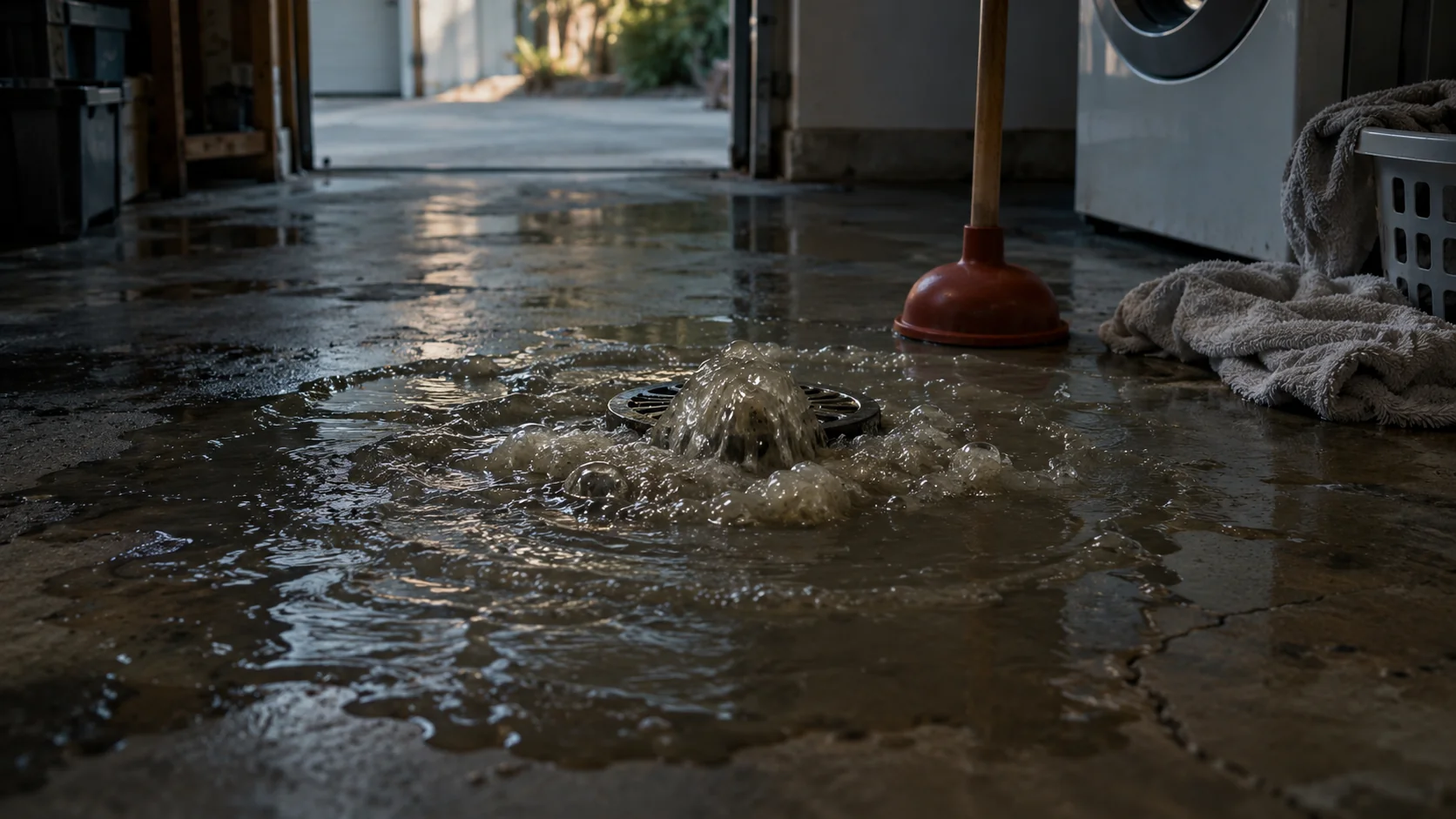
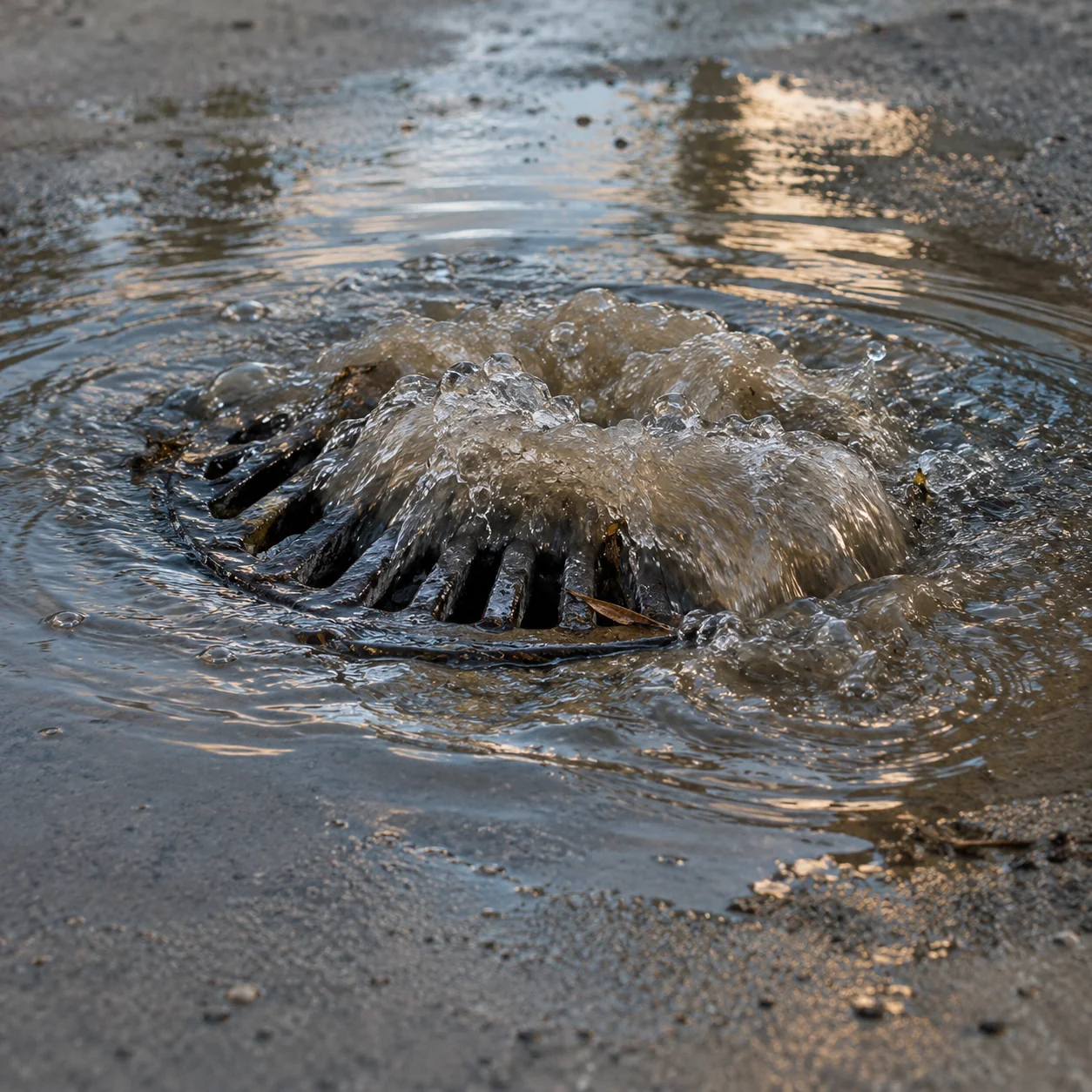
A sewer backup happens when wastewater cannot leave the house, so it rises back up through the lowest fixtures. Every drain in your home joins one pipe, the sewer lateral, which runs under the yard to the city main in the street. If that lateral is blocked, or if the main is full, the next flush or shower has nowhere to go. It comes up at the lowest point: a shower pan, a floor drain, a ground-floor toilet or a tub.
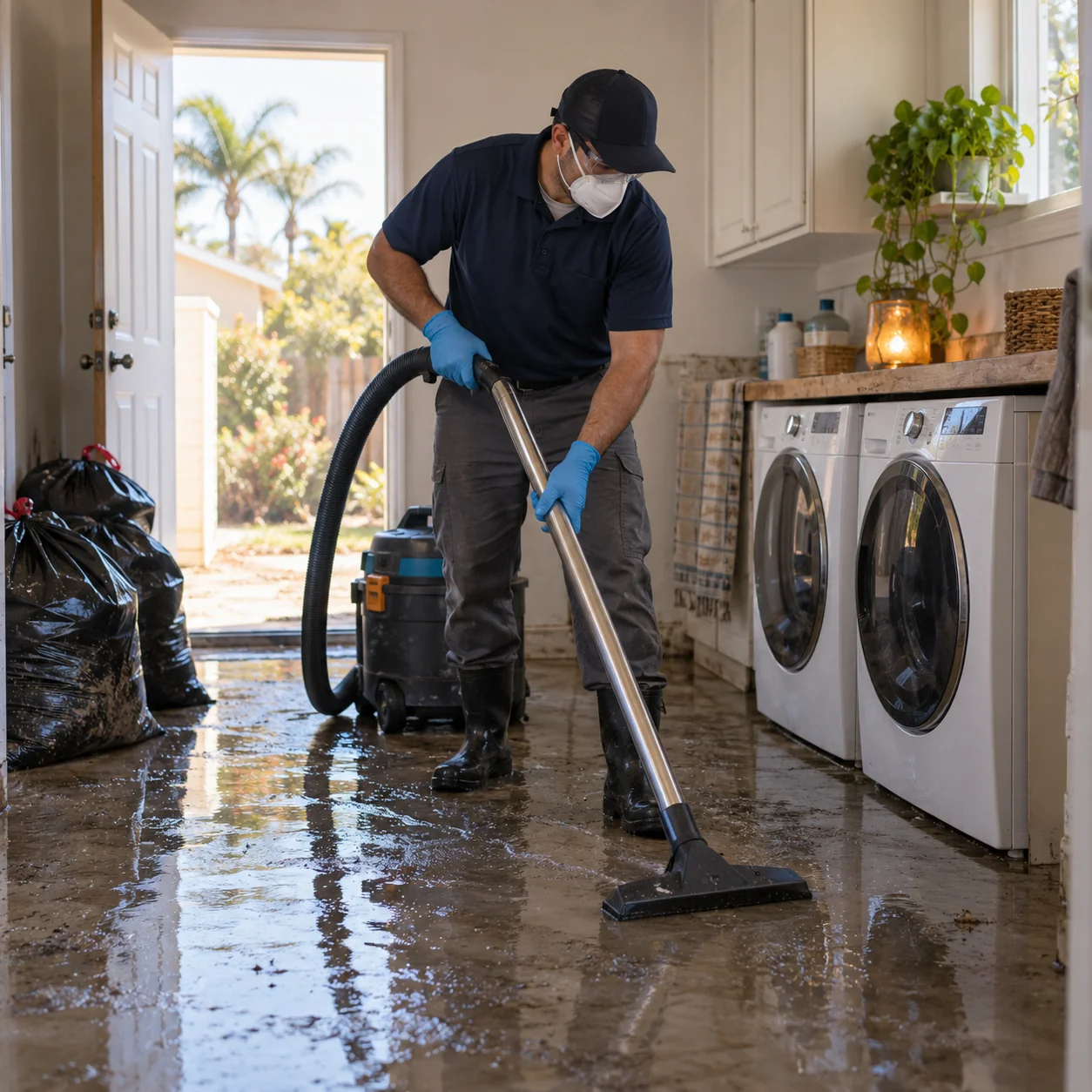
The water that comes up is sewage even if it looks gray. The ANSI/IICRC S500 standard classes water from a sewer backup as Category 3, grossly contaminated water, the same category as rising flood water. That classification decides the cleanup: Category 3 water is removed, not dried, and anything porous it touched is usually discarded.
A backup is different from an overflow. A single toilet that overflows because its own trap is clogged is a local problem, covered in the toilet overflow guide. When two or more fixtures back up at once, or when flushing one fixture pushes water up another, the blockage is downstream in the lateral or the main.